
Low Voltage Landscape Lighting: Benefits, Design, and Installation Considerations
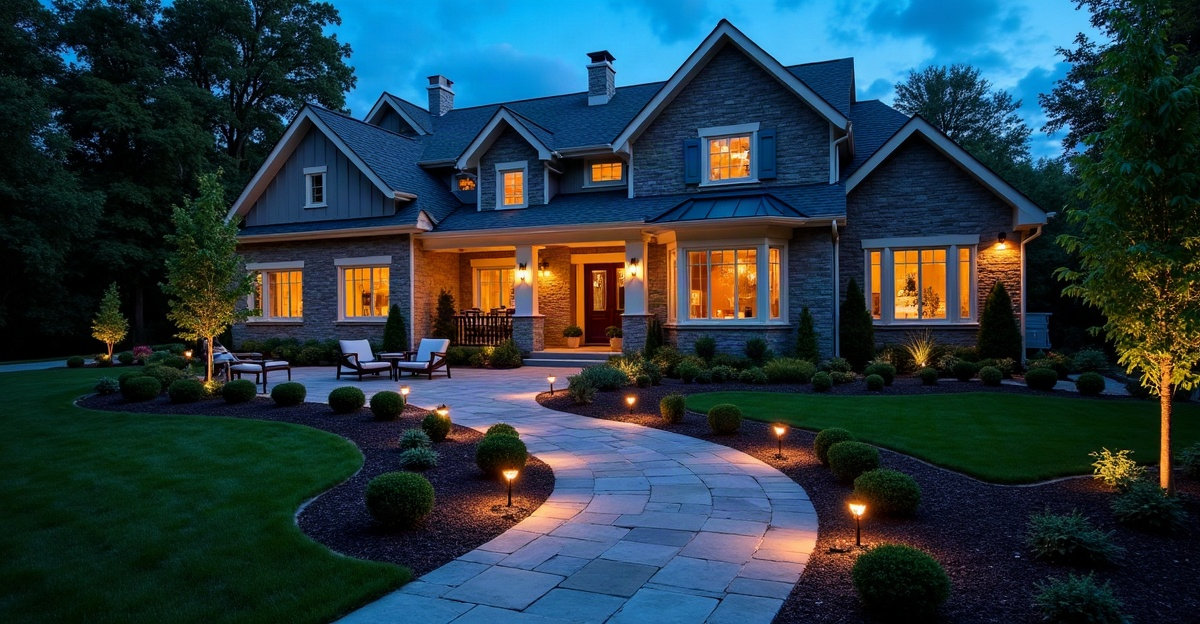
Low-voltage landscape lighting improves curb appeal, nighttime visibility, and access to paths, entries, gardens, and outdoor living areas. We create a clean, polished appearance with layered lighting, discreet fixtures, dependable wiring, and flexible controls. This approach highlights the property without glare or visual clutter.
Key Takeaways
- Layered ambient, accent, and task lighting adds depth. It also defines focal points, walkways, steps, and gathering areas.
- Strategic fixture placement and aiming highlight mature trees, stonework, planting beds, architectural details, and patios. We avoid overlighting the property.
- Low-voltage LED systems rely on a transformer, planned wire runs, and correctly sized capacity. These elements support steady performance and reduce voltage drop.
- Professional installation preserves the finished appearance. We conceal wiring, position fixtures discreetly, account for drainage, and fine-tune the system after dark.
- Routine maintenance keeps the lighting balanced as plants grow, weather shifts fixture alignment, and outdoor spaces evolve.
What Low Voltage Landscape Lighting Can Improve After Dark
Low voltage landscape lighting gives a property stronger curb appeal, clearer nighttime visibility, and outdoor spaces that feel inviting well after sunset. It brings definition to entries, paths, gardens, and gathering areas while creating a polished, year-round appearance.
The best outdoor lighting supports how the property is used after dark. A welcoming front walk, a patio used for dinner, and a driveway with grade changes all call for a different approach. Thoughtful lighting also draws attention to landscaping and architecture without making the property feel overlit.
Results depend on the layout, existing plant material, electrical conditions, fixture quality, and installation workmanship. Adding more fixtures does not automatically create a better result. A carefully planned system produces far more impact than a random collection of lights.
Landscape lighting benefits can include improved visibility around entries, walkways, and outdoor living areas. It can also help a property feel more visible from the street. Still, lighting is not a replacement for a dedicated security plan, and it should never be presented as a crime-prevention guarantee. For focused coverage in specific areas, our security lighting services can be considered as part of a broader property plan.
We create Northwest Arkansas landscape lighting and Missouri landscape lighting plans that make the property feel intentional after dark, from the first view at the curb to the spaces used most often outside.
A Layered Lighting Design Creates a Clean, Custom Look
A refined landscape lighting design starts with a plan, not a fixture count. We use balanced layers of light, precise fixture placement, concealed wiring, and controls that can grow with the property. This creates custom outdoor lighting that feels clean and natural rather than busy or overly bright.
Ambient light provides overall comfort in an outdoor area. Accent light brings attention to focal points such as specimen trees, stonework, or architectural details. Functional light helps define paths, steps, gates, and gathering spaces where clear movement matters.
Intentional contrast gives the design depth. Lighting every area at the same brightness flattens the view and can create glare. Poor aiming, exposed light sources, and uneven spacing also take away from the polished look most property owners want. We build glare-free landscape lighting by directing light where it serves the design and keeping fixtures low-profile during the day.
Common Lighting Techniques
Uplighting directs light upward to feature a tree canopy, wall, column, or architectural detail. Downlighting casts light downward from a tree or structure, creating a softer effect across paths, planting beds, or seating areas. Beam spread describes whether the light appears narrow and focused or wide and broad.
Low voltage landscape lighting differs from roofline accent lighting and permanent holiday lighting. These systems can complement each other, but they use different fixture styles and serve distinct design goals. For example, architectural lighting can define a home’s form, while landscape fixtures bring the grounds and outdoor features into view. For roofline systems, it also helps to understand how permanent lights get power before comparing options.
Where Landscape Lights Make the Biggest Visual Difference
High-impact landscape lighting placement frames the features that already make a property distinctive. Mature trees, entry features, stonework, planting beds, and outdoor structures often become focal points once daylight fades.
Tree uplighting can reveal branch structure and canopy height. Garden lighting can wash across planting beds and show texture in shrubs, ornamental grasses, and stone borders. Architectural features may benefit from focused uplighting or broad wall-washing, depending on their scale and surface.
Path lighting and step lighting work best as wayfinding tools. We space and aim fixtures to establish a clear route without creating a runway effect. Driveway lighting can define edges and transitions, while patio lighting and outdoor living lighting extend the use of decks, pools, kitchens, and seating areas.
Every material responds differently to light. Stone, bark, foliage, water, painted surfaces, and metal structures all reflect and absorb light in their own way. A custom plan considers height, color, texture, sightlines, and the views from windows, driveways, and outdoor seating.
The daytime view matters just as much for premium properties. Discreet fixture placement, concealed wire routing, and low-profile equipment preserve the landscaping’s appearance before the lights ever turn on. Our landscape lighting services focus on both sides of that experience.
Why LED and Low Voltage Systems Are Commonly Used
Low voltage landscape lighting uses a transformer to reduce standard household electrical power to a lower voltage suitable for outdoor lighting equipment. The transformer, wiring layout, fixtures, and controls all need to work together for consistent performance.
LED landscape lighting is commonly selected for efficient operation, compact fixture options, and controlled lighting effects. Low voltage LED lighting can place focused illumination exactly where it belongs, whether that means a narrow beam on a column or a soft wash across a planting bed.
Landscape lighting zones organize different areas of the property according to use. An entry zone, backyard entertaining zone, and focal-point zone can be controlled independently, allowing the lighting plan to remain flexible as outdoor habits change.
Outdoor lighting controls can also support future expansion. The right approach depends on how the property is used and whether later additions may include new beds, structures, or gathering areas.
Planning for Voltage Drop
Voltage drop landscape lighting issues can occur when wire runs become long or the connected fixture load is not planned correctly. In plain terms, fixtures farther from the transformer may not perform as consistently as fixtures located nearby. We account for wire length, fixture placement, and transformer capacity before installation rather than making assumptions after the system is in place.
Installation Details That Protect the Finished Look
Landscape lighting installation scope varies with property size, fixture count, zones, terrain, landscaping, electrical conditions, wire runs, drainage, and future expansion plans. A custom landscape lighting plan accounts for those details early, protecting the finished appearance and allowing room for the property to change.
Professional landscape lighting installation involves far more than setting fixtures in the ground. We plan landscape lighting transformer installation, route and conceal outdoor lighting wiring, protect established landscape areas, aim every fixture, and evaluate the nighttime effect before final adjustments.
Drainage and weather exposure deserve close attention. Equipment placement should account for water movement, irrigation patterns, soil conditions, and areas affected by mowing, gardening, foot traffic, or seasonal maintenance. A fixture may look properly placed on installation day but become a problem later if it sits in a drainage path or competes with routine landscape care.
Quality workmanship shows up in the details: clean wire routing, discreet fixture locations, careful aiming, and equipment selected for its specific setting. Those choices keep the system looking polished during the day and useful at night.
DIY, Professional Planning, and Long-Term Care
DIY landscape lighting versus professional installation comes down to the scope and finish expected. Simple plug-in options may suit a small, limited need. A permanent, cohesive system requires consideration for transformer capacity, zones, fixture placement, drainage, wiring, established landscaping, and future maintenance.
Professional planning is especially valuable for larger properties, layered lighting designs, complex terrain, mature landscaping, and projects where a discreet custom result matters. We can coordinate the design around architecture, planting beds, outdoor living spaces, and the views that matter most after dark.
Landscape lighting maintenance helps preserve the original effect as the property changes. Plant growth can block a beam. Tree canopies can alter downlighting. Irrigation, weather exposure, debris, and seasonal use of outdoor spaces can also affect fixture alignment and visibility.
Ongoing care may include clearing debris, checking fixture positions, reviewing foliage around lighting, and adjusting the plan as landscaping matures. Small refinements can keep the system balanced without disrupting the overall design.
For Northwest Arkansas outdoor lighting and Missouri landscape lighting contractor support, we invite property owners to explore our completed lighting projects, review our design process, or request a custom assessment. Together, we can see what the property could look like after dark.