
Backyard Lighting Ideas for Outdoor Entertaining and Relaxation
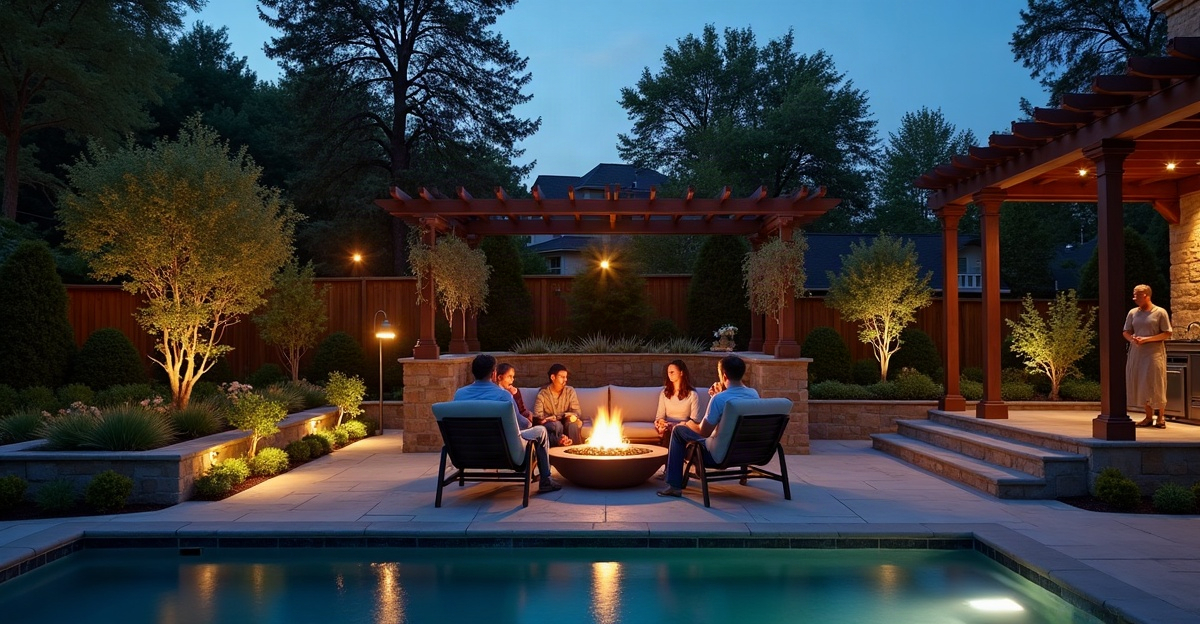
Backyard lighting works best when we match it to how we dine, cook, gather, and relax after dark. We use softer light for seating and focused illumination for steps, paths, and prep areas. A layered, low-profile plan adds comfort, visual depth, and year-round curb appeal without overwhelming the backyard with brightness.
Key Takeaways
- We plan each lighting zone around its purpose, including patios, decks, pergolas, outdoor kitchens, fire pits, pools, and walking routes.
- We layer lighting with ambient light for gathering spaces, task lighting for cooking and movement, and accent lighting for trees, gardens, walls, and architectural features.
- We keep seating areas comfortable by directing fixtures at surfaces and pathways instead of guests’ sightlines.
- We select low-profile fixtures, organized wiring, and consistent placement to create a polished daytime look and professional finish.
- We consider temporary, portable, solar, landscape, or permanent lighting based on how often we use the space and the level of customization we want.
Start With How You Use Your Backyard After Dark
The strongest backyard lighting ideas begin with the moments that happen outside after sunset. We plan each area around its purpose, then add comfortable illumination that feels polished instead of overly bright.
A patio dining area benefits from soft overhead or perimeter lighting that supports meals and conversation without glare across the table. Decks need clear step and railing lighting around elevation changes. Pergolas and covered seating areas work well with ambient illumination and backyard accent lights that define the space without taking over the atmosphere.
Outdoor kitchens and grill zones need focused light where food is prepared and served. Fire pit seating feels more relaxed with lighting around the perimeter instead of harsh light shining directly into chairs. Gardens, trees, retaining walls, and fences add visual depth when landscape accents bring selected features forward.
Common walking routes also deserve attention. Pathway lighting can connect the driveway, patio, gate, and pool area while making these routes easier to follow after dark. Security-oriented lighting can improve visibility around entries, side yards, and access areas, though it should support visibility rather than serve as a promise of crime prevention.
The goal is not to illuminate every corner. Outdoor entertaining lights should make the backyard feel usable, welcoming, and intentional for the way we gather, cook, relax, and decorate throughout the year.
Build a Comfortable Backyard With Layers of Light
Layered backyard LED lighting creates a more natural experience than one powerful fixture. We start with gentle ambient light in primary gathering areas, add direct illumination where specific activities require it, and finish with accents that create depth beyond the patio or deck.
Ambient lighting supports dining, conversation, and relaxed seating. It may come from a pergola, covered patio, low-profile perimeter fixtures, or carefully positioned outdoor entertaining lights. The light should feel present without becoming the center of attention.
Task lighting serves a clearer function. Cooking areas, steps, walkways, and dining surfaces may need more direct illumination so people can move and use the space comfortably. Pathway lighting and deck-step lighting often fall into this category.
Accent lighting highlights focal points, including architectural details, mature trees, garden features, retaining walls, and pergolas. Landscape lighting brings texture and shape to planting beds, trees, and outdoor features. These categories overlap at times, but their purpose remains simple: ambient light supports people, task light supports activity, and accent light supports visual interest.
Permanent lighting offers a low-profile option for year-round architectural, entertaining, and seasonal use. Fixture placement, direction, and purpose matter far more than simply adding more backyard LED lighting. With restraint, a clean custom lighting plan can make a patio, deck, or garden feel connected after dark while also supporting everyday curb appeal.
Backyard Lighting Ideas for Patios, Decks, Gardens and Gathering Spaces
Patio lighting works best when it creates an inviting perimeter around dining and seating areas. Soft overhead lighting or subtle fixtures along the edges can make a table feel comfortable without causing glare between guests.
A pergola or covered seating area can become a natural evening destination with backyard accent lights placed along beams, posts, or nearby landscape features. The goal is definition and warmth, not a bright canopy of exposed bulbs.
Deck lighting should make stairs, railings, and edges easier to see while preserving a low-profile appearance. Small, well-placed fixtures maintain the clean lines of the deck during the day and support visibility at night.
Garden lighting creates depth beyond the immediate entertaining area. Rather than trying to light every shrub and surface, we recommend choosing a few favorite trees, garden beds, retaining walls, or fences. This approach gives the backyard visual layers and keeps the lighting from looking flat.
For fire pit lighting, place illumination around the seating perimeter, nearby pathways, or landscape edges. Avoid placing a strong fixture directly over the fire pit or shining it into faces. The fire itself should remain part of the atmosphere.
Outdoor kitchens need focused lighting near grills, counters, and serving areas. A well-lit prep surface makes hosting easier while the surrounding patio can remain softer and more relaxed.
Around pools, light the routes leading to and around the area, along with surrounding landscaping and architectural features. This keeps the outdoor space visually connected without relying on harsh fixtures near the water.
Subtle architectural lighting can tie these zones together, adding everyday curb appeal while giving seasonal displays a polished foundation.
How to Avoid Glare, Clutter and an Overly Bright Backyard
Thoughtful placement keeps outdoor entertaining lights comfortable for guests and considerate of neighboring homes. A bright fixture in the wrong sightline can make relaxing harder, even if it technically lights the area well.
We aim fixtures at surfaces, paths, steps, and features that need light rather than pointing them outward into seating areas. Exposed harsh bulbs often create glare. One powerful fixture can also produce strong shadows, making a backyard feel less comfortable than a softer layered approach.
Seating areas generally benefit from gentler ambient light. Pathways, stairs, outdoor kitchens, and entries may need more direct illumination. This distinction prevents the common commercial-looking effect caused by treating every zone with the same brightness.
Daytime appearance matters too. Low-profile outdoor lighting should look intentional when it is off. We prioritize discreet fixture placement, clean wire management, and components that do not distract from landscaping, architecture, or outdoor living areas.
Quality workmanship shows in the details people may not notice immediately: consistent fixture placement, orderly wiring, unified lighting styles, and purposeful aiming. These choices support glare-free backyard lighting and preserve curb appeal from morning through evening.
Choosing Between Temporary, DIY and Permanent Backyard Lighting
The right approach depends on how often the space is used, how finished we want it to feel, and whether the layout may change over time.
Comparing Backyard Lighting Options
- Temporary string or decorative lights: Best for renters, one-time gatherings, seasonal events, or testing a layout before committing. They offer flexibility and a festive feel, but often involve visible cords, repeated setup, and storage.
- Portable or plug-in lighting: Useful for adaptable seating areas, occasional entertaining, or spaces without a permanent plan. These fixtures can move as needs change, although wire management and placement still matter.
- Solar lighting: A simple option for select garden or pathway locations. Performance and visual consistency can vary with placement and conditions, so it works best as a limited part of the overall plan.
- Traditional landscape and pathway lighting: Well suited to planting beds, trees, walkways, stairs, and focal points. A planned system can give the property a more established, connected appearance. Explore our landscape lighting services for ideas.
- Professionally installed permanent lighting: A low-profile choice for year-round architectural, entertaining, and seasonal use. It can suit homeowners who want a clean, custom result planned around sightlines, recurring outdoor use, and property layout. Permanent backyard lighting is not automatically right for every property, but it is worth considering for spaces used regularly after dark.
For a backyard patio, the best lighting usually combines soft ambient illumination with focused light at dining surfaces, steps, and cooking zones. A cozy backyard comes from warm visual layers, selected focal points, and controlled brightness rather than additional fixtures everywhere.
Backyard accent lights draw attention to trees, pergolas, garden features, walls, and architectural details. Landscape lighting focuses on plants, terrain, and outdoor features, while outdoor entertaining lights focus more directly on how people dine, gather, and move through the space.
Brightness should match the use of each zone. We keep seating areas softer and increase illumination only where activity requires it. To avoid glare, use shielded or carefully aimed fixtures, keep harsh bulbs out of direct sightlines, and light routes instead of flooding the entire yard.
Before selecting permanent systems, it helps to understand the planning behind power and placement. Our guide on how permanent lights get power explains an important part of that decision.
When a Custom Backyard Lighting Plan Makes Sense
A custom lighting plan makes sense when separate backyard spaces need to feel connected after dark. Patios, decks, pergolas, outdoor kitchens, gardens, pools, fences, stairs, and walkways often need different lighting approaches, yet the finished property should still feel unified.
Professional planning can account for property layout, sightlines, entertaining zones, architectural features, and year-round outdoor lighting. It is a practical option for homeowners who want fewer visible components, better visual balance, and quality workmanship without treating professional installation as the only valid path.
For homeowners across Northwest Arkansas and nearby Missouri communities, a custom plan can help lighting feel connected to the way the property is used after dark. We serve Bentonville, Centerton, Rogers, Springdale, Fayetteville, Gravette, Bella Vista, Pea Ridge, Gentry, and Siloam Springs, along with nearby Missouri communities including Neosho and Joplin.
Our lighting gallery can help visualize what a connected outdoor design can look like. We can also walk through our lighting process for professionally installed permanent lighting, landscape accents, and seasonal displays.
If you want a clean, low-profile lighting plan designed around the way you entertain, relax, and decorate outdoors, explore our gallery or talk with our team about your property.