
Wall Wash Lighting: How to Highlight Exterior Walls and Architectural Features
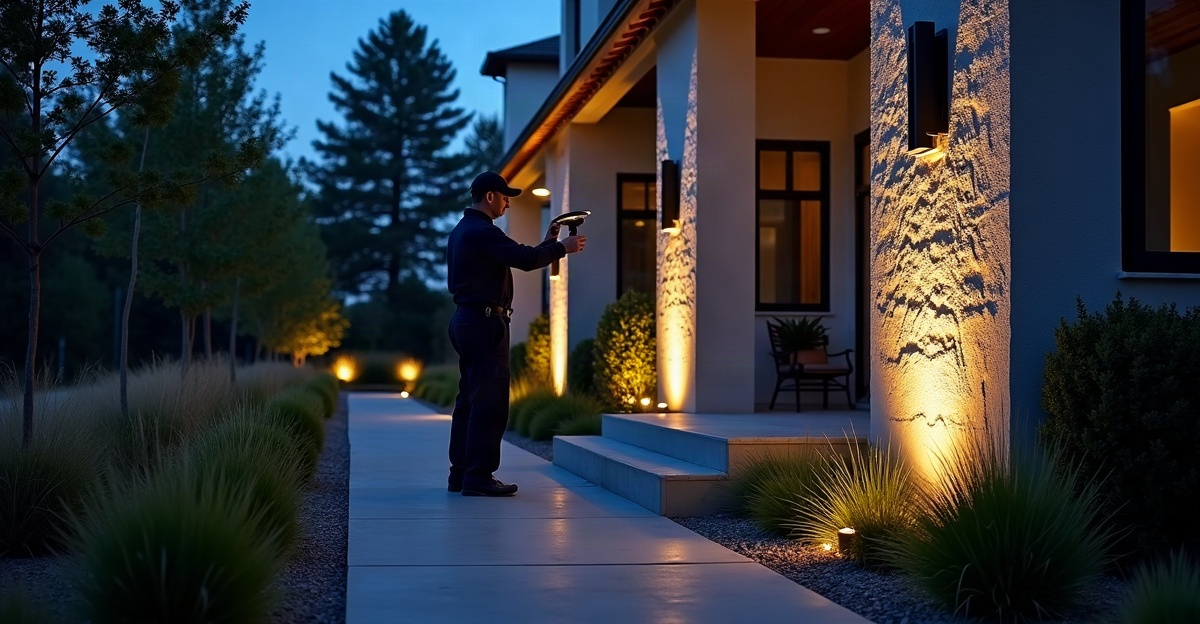
Wall wash lighting creates a soft, even layer of light across exterior walls, entries, columns, and façades. It gives each surface a clean, polished look after dark. We balance fixture placement, beam direction, and brightness to improve curb appeal and visibility. This approach avoids glare, hot spots, and an overly bright finish.
Key Takeaways
- Wall washing creates smooth, broad illumination. Wall grazing highlights stone, brick, and masonry textures with deeper shadows.
- Exterior wall wash lights suit façades, covered entries, retaining walls, columns, storefronts, and other architectural focal points.
- Wall material, height, color, landscaping, ambient light, and typical viewing angles guide fixture placement and light output.
- Even spacing, precise aiming, shielding, and consistent color temperature prevent bright circles, dark gaps, glare, and unwanted light spill.
- Wall wash lighting delivers the best results within a layered plan. We combine it with landscape, path, entry, and seasonal lighting so every area serves a clear purpose.
What Wall Wash Lighting Can Do for Your Property
Wall wash lighting creates a soft, even spread of light across an exterior surface. It gives a home or commercial property a clean, refined appearance after dark while bringing architectural features into view without a harsh or cluttered look.
We use exterior wall wash lights to create stronger curb appeal, define a welcoming entry, and add subtle visual structure to a property’s nighttime design. Broad walls feel more unified, columns gain presence, and key features remain visible from the street, driveway, patio, parking area, or front walk.
This approach works beautifully on stone façades, brick walls, siding, stucco, columns, covered entryways, retaining walls, rooflines, storefronts, and other architectural focal points. In Bentonville, Rogers, Fayetteville, Springdale, and nearby Northwest Arkansas and Missouri communities, wall washing gives properties a polished year-round appearance that feels intentional rather than overdone.
Outdoor wall lighting can also improve visibility around exterior surfaces and entry areas as part of a complete lighting plan. It should support comfortable movement and better awareness of the property, without claims that lighting can prevent crime or guarantee safety.
For homes with prominent elevations or businesses with a visible street-facing façade, wall wash lighting often becomes the architectural layer that brings the entire property together after dark.
Wall Washing vs. Wall Grazing and Other Outdoor Lighting Options
Wall washing and wall grazing are sometimes treated as the same technique, but they create very different results. Wall washing produces broad, soft illumination across a surface. The goal is smooth coverage that makes a wall, entry, or façade feel visible and visually unified.
Wall grazing places fixtures close to a textured wall and directs light upward or across the surface. This creates stronger shadows that bring out the depth of stone, brick, and masonry. Grazing makes texture the focal point, while washing gives the full surface a calm, even presence.
Different lighting layers serve different parts of the property. Architectural lighting can bring walls, rooflines, columns, and façade details into balance. Landscape lighting primarily highlights trees, planting beds, garden features, and outdoor living areas. Path and entry lighting helps define walking routes, steps, transitions, and entrances.
Floodlighting provides wider functional illumination, but it may feel harsh if the design does not carefully control direction, output, and glare. Permanent holiday lighting supports seasonal color and celebration, while wall washing creates a subtler architectural look for every night of the year. For homeowners considering both systems, our guide on how permanent lights get power explains an important planning consideration.
The strongest result comes from layering each type of light with a clear purpose. Architecture, landscaping, pathways, entries, and seasonal displays should work together rather than compete for attention.
Where Exterior Wall Wash Lights Work Best
Wall wash lighting is not a one-size-fits-all upgrade. Wall height, surface width, material, color, texture, and the property’s surrounding light all influence the right fixture placement and output.
Broad stone, brick, stucco, and siding walls are often excellent candidates for an even wash of light. Columns and façade details can gain definition without becoming overly dramatic. A covered entryway benefits from a warmer, more welcoming appearance and improved visibility, while retaining walls can connect the landscape to the architecture in a clean, low-profile way.
For premium homes, we often use wall washing to support the view from a driveway, patio, pool area, or entertaining space. The effect can bring structure to a large façade while preserving a relaxed residential feel. Homeowners who enjoy year-round holiday lighting can also use wall washing as the steady architectural foundation beneath seasonal color displays.
Commercial properties benefit from a polished nighttime identity. Storefronts, building fronts, entrances, and visible side elevations can appear more established and easier to recognize after dark. The lighting should complement signage and access areas without flooding the property with unnecessary brightness.
Wall grazing may be the better choice for deeply textured stone, brick, or masonry when pronounced shadow and surface detail are the intended effect. A smooth stucco wall, on the other hand, generally calls for a softer wall wash.
Not every exterior wall needs light. We prioritize the surfaces that create the strongest visual return and leave room for darkness where it helps the property feel balanced. That restraint keeps a residence from looking commercial and keeps a commercial property from appearing visually busy.
What Creates a Clean, Even Wall Wash Effect
A quality fixture matters, but fixture choice alone does not create a polished wall wash effect. Placement, beam direction, fixture spacing, output, shielding, color consistency, wall finish, and ambient light all shape the final appearance.
We begin with the property itself. A dark stone wall reacts differently than light siding. A tall façade may need a different approach than a low retaining wall. Mature landscaping can block or soften light, while windows, rooflines, walkways, and neighboring surfaces can change where light should go and where it should stop.
More light does not automatically produce a better result. The goal is comfortable viewing and even coverage, not maximum brightness. Properly balanced exterior wall wash lights avoid bright circles, dark gaps, and distracting glare. Consistent color appearance also matters, especially where architectural accent lighting connects with landscape, path, entry, or seasonal lighting zones.
Viewing angles guide every design decision. We consider how the wall looks from the street, driveway, patio, parking area, and entry rather than designing for a single viewpoint. A wall that looks attractive from the sidewalk may create glare from a front window if its aiming is not considered carefully.
Daytime planning carries equal weight. Fixtures should remain discreet where possible, with low-profile hardware, thoughtful cable routing, and consideration for existing landscaping. The property should look clean when the lights are off and striking when they are on. Quality workmanship and a custom design make that day-to-night transition feel natural.
Common Outdoor Wall Lighting Mistakes to Avoid
Poorly planned outdoor wall lighting can pull attention away from the architecture it should support. The most common issue is a series of bright hot spots or circles across a wall. Uneven fixture spacing and imprecise aiming can create alternating bright and dark areas that make the installation look unfinished.
Visible glare is another concern. Fixtures that shine into common viewing areas can be distracting from the driveway, patio, entry, or interior rooms. Light spill into windows, neighboring properties, or unused portions of the yard also weakens the overall design.
Overlighting deserves particular attention. A bright property may seem impressive at first, but excessive output can make a home feel harsh, cluttered, or commercial. Commercial buildings face a similar risk when lighting overwhelms the storefront, signage, parking area, and architectural lines instead of organizing them.
Mismatched color appearance between fixtures or lighting zones can make a finished project feel disjointed. The same is true when wall washing is installed without considering nearby plantings, pathways, entries, rooflines, and permanent holiday lighting.
We don’t select fixtures based on appearance alone. Wall material, wall height, surrounding ambient light, beam direction, spacing, shielding, and viewing angles all matter. The best result comes from a custom plan that balances subtle accent lighting with the level of functional illumination the property actually needs.
Questions to Ask Before Planning Wall Wash Lighting
A clear plan begins with deciding which walls and features should remain focal points after dark. The desired result may be a welcoming entry, stronger texture, improved visibility, or greater architectural definition. Each goal can call for a different placement strategy.
We also evaluate the wall material, surface dimensions, and the places where people will see the property most often. A street-facing stone façade may need a different effect than a stucco entry wall viewed from a patio. Windows, mature landscaping, rooflines, walkways, and nearby structures can all affect placement and aiming.
These questions help guide the conversation:
- Which walls or architectural features deserve attention after dark?
- Would an even wall wash or a textured wall graze better fit the material?
- How should wall lighting connect with landscape, path, entry, and holiday lighting?
- Will the property be viewed mainly from the street, driveway, patio, parking area, or entry?
- Does the plan need to coordinate multiple surfaces, finishes, and lighting zones?
Wall wash lighting works well with landscape lighting and permanent holiday lighting when each layer has a distinct role. It can also serve commercial buildings effectively, especially where a building front, entry, or façade needs a more polished nighttime presence. Brightness should remain measured and purposeful, so exterior wall lighting adds definition without making the property appear overlit.
Professional design is especially valuable for properties with several architectural surfaces, changing wall finishes, mature landscaping, complex viewing angles, or connected residential and commercial areas. We consider the entire property instead of treating wall washing as an isolated upgrade.
To see how a complete design can look after dark, explore our outdoor lighting gallery. Our lighting design process helps create a custom plan around the way a home or commercial property looks and feels at night.