
Patio Lighting Ideas to Create a Comfortable Outdoor Living Space
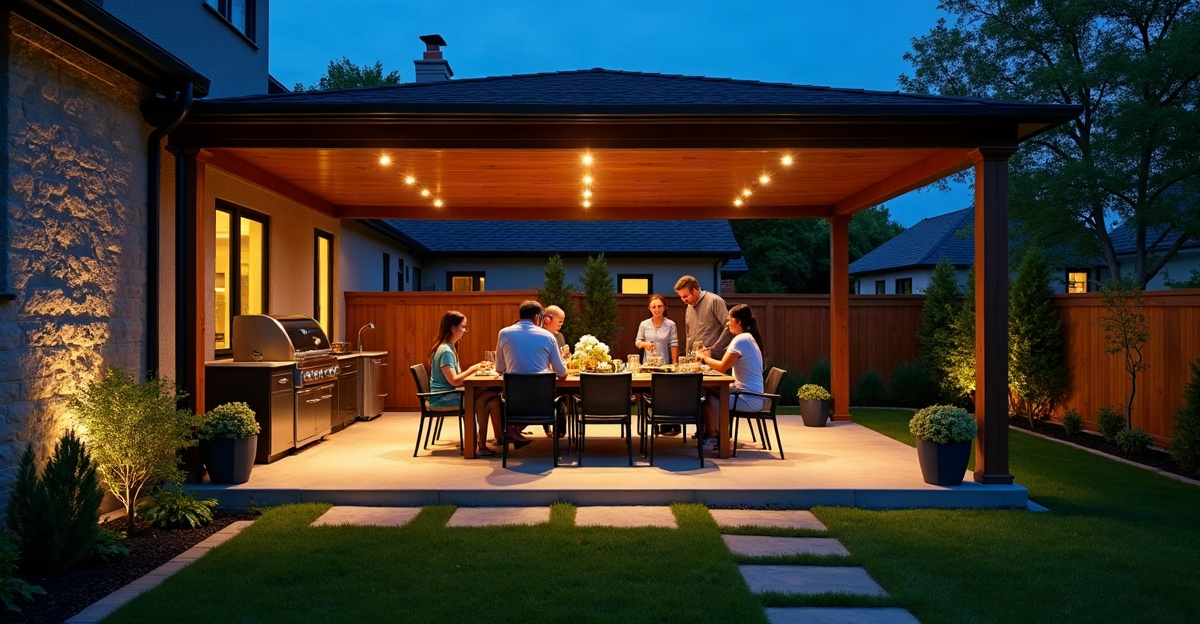
We create effective patio lighting by layering ambient, task, accent, and pathway fixtures. This approach supports dining, cooking, relaxing, and safe movement after dark. Our plans use low-profile fixtures, controlled illumination, and clean installation. The result is a polished outdoor living area without glare, visual clutter, or excessive light spill.
Key Takeaways
- We use layered lighting to give every patio area the right visibility and atmosphere.
- We add focused task lighting at grills, outdoor kitchens, dining tables, and serving areas rather than relying on one bright overhead fixture.
- We light steps, entrances, gates, railings, and walkways with shielded fixtures that guide foot traffic without shining into guests’ eyes.
- We combine covered-patio lighting with landscape, architectural, and seasonal decorative fixtures for a coordinated design throughout the year.
- We protect daytime curb appeal with concealed wiring, low-profile hardware, and quality installation that complements the home.
A Comfortable Patio Starts With Balanced, Layered Lighting
A comfortable patio rarely comes from one bright fixture or a single strand of decorative lights. It comes from balanced layers of lighting that support dining, entertaining, relaxing, cooking, and moving between the home and yard after dark.
The best patio lighting ideas create enough visibility to use the space with confidence while preserving a relaxed, polished atmosphere. We plan for controlled illumination instead of flooding every surface with light. That approach reduces glare, limits unnecessary spill into adjacent areas, and creates visual depth that makes the patio feel welcoming year-round.
A practical lighting plan uses four complementary layers:
- Ambient lighting: Provides overall visibility and atmosphere across seating areas and covered patios. It should make the space usable without making the entire patio uniformly bright.
- Task lighting: Brings focused illumination to dining tables, outdoor kitchens, grills, serving areas, and other activity zones. This layer helps people see what they are doing without relying on overly bright general lighting.
- Accent lighting: Adds depth and visual interest around walls, columns, ceiling features, planting beds, and focal points. Selective placement keeps the space from feeling busy.
- Security-conscious lighting: Improves visibility around entrances, steps, transitions, and movement paths around the property. Well-placed fixtures help define where people walk without placing harsh light in their line of sight.
Each layer should have a purpose. A clean design also considers how fixtures, wiring, and mounting hardware look during the day, when the lights are off.
Covered Patio Lighting Ideas for Dining, Gathering, and Everyday Use
Covered patio lighting gives a roofed outdoor space the same level of comfort and usability as an indoor room. With clean placement and low-profile hardware, the ceiling and walls can remain polished during the day while the patio feels inviting after sunset.
For dining areas, we recommend lighting that supports meals without creating glare across the table. Integrated ceiling lighting or carefully placed overhead fixtures can provide a comfortable ambient base. A focused layer near the table can help with serving food and conversation, while subtle accents around the patio perimeter keep the space from feeling flat.
Conversation seating benefits from softer general illumination and selective focal points. Rather than placing a bright fixture directly over every chair, we use ambient lighting to define the seating area and accents to add depth around nearby columns, walls, planters, or landscape features.
Outdoor kitchens and grills need their own task lighting. General patio illumination may look attractive, but it often does not provide focused visibility where food is prepared or served. Lighting should reach the work surface without casting distracting shadows or shining into the eyes of people seated nearby.
Covered patio ceilings deserve an organized layout. Recessed or integrated ceiling lighting can work well when placement follows the actual activity areas below. Fans or fixtures with lighting may also fit some designs, provided they do not clutter the ceiling or become the only source of illumination.
Doors and patio entrances should receive thoughtful light as well. A visible transition between indoor and outdoor living areas makes the patio easier to use and supports a welcoming arrival after dark.
Light the Routes That Connect the Patio to the Rest of the Property
A patio works best when the routes around it feel clear after dark. Steps, railings, level changes, gates, entrances, and walkways all deserve attention because people need to see where they are going. That does not mean every surface needs bright, even lighting.
Steps and elevation changes benefit from gentle illumination that defines the edge and makes the transition easier to recognize. Railings can provide subtle visual guidance when lighting remains shielded and away from eye level. Bright fixtures mounted where people look directly at them often create discomfort rather than useful visibility.
Patio entrances and doors should feel connected to the home. Light at these transitions helps people move between spaces without abruptly stepping from a bright interior into a dark outdoor area.
Outdoor patio lights along walkways can connect the patio to the yard, driveway, pool area, or another outdoor living space. The goal is to guide movement with controlled pools of light, not to turn the entire route into a brightly lit corridor.
Every patio layout, electrical setup, and property is different. Thoughtful fixture placement can improve visibility around entrances, walkways, and transitions while limiting glare and spill into neighboring areas.
Outdoor Patio Lights: How Permanent, Seasonal, and Landscape Systems Work Together
Outdoor patio lights can include several systems, each with a different job. A complete plan often combines covered patio fixtures, pathway lighting, landscape lighting, decorative seasonal lights, and permanent architectural lighting rather than expecting one system to handle every need.
Temporary decorative lights add casual character for gatherings and seasonal celebrations. They can create a warm visual layer over a seating area, but they should not be the only light source for cooking, dining, steps, entrances, or walkways.
Permanent architectural lighting can create a coordinated, year-round appearance along rooflines and architectural features when it fits the patio and home design. Our architectural lighting services focus on clean integration, thoughtful placement, and a refined appearance after dark. For homeowners comparing installation approaches, our guide explains how permanent lights get power without relying on exposed, temporary-looking connections.
Landscape lighting extends the view beyond the patio. Highlighting nearby planting beds, trees, retaining walls, and architectural elements creates visual depth and helps the patio feel connected to the rest of the property. Covered fixtures serve the living area directly, while pathway and transition lighting help people move through the landscape.
Quality-focused homeowners often consider daytime appearance as carefully as nighttime results. Low-profile hardware, concealed wiring, clean installation, simple controls, and reliable workmanship all contribute to long-term value. Permanent lighting is not interchangeable with every other outdoor lighting type, and each layer should earn its place in the design.
Patio Accent Lighting Ideas That Add Depth Without Visual Clutter
Patio accent lighting gives an outdoor space dimension. It draws attention to a few well-chosen features and creates a more intentional atmosphere without competing with conversation, cooking, dining, or movement areas.
Architectural lines, columns, ceiling details, retaining walls, planters, trees, nearby planting beds, and walls visible from the patio can all become effective focal points. The strongest designs choose a limited number of elements rather than trying to highlight every feature on the property.
A softly illuminated tree beyond the seating area can make the patio feel larger. Light across a textured wall can add depth to a covered space. A subtle wash on a column or planter can bring structure to a darker corner. These details work best when they support the overall lighting mix instead of demanding attention.
Daytime curb appeal matters, too. Visible hardware, loose wiring, or fixtures placed without a cohesive plan can distract from an otherwise polished patio. We use clean, low-profile placement and quality workmanship to keep the design custom, intentional, and attractive whether the system is on or off. Our outdoor accent lighting approach can help connect patio focal points with the surrounding landscape.
Plan the Right Lighting Mix for the Layout and Know When to Seek Professional Help
The right patio lighting ideas begin with how the space is actually used. We start by considering whether the patio is covered, partially covered, or open; where guests walk after dark; and where steps, gates, entrances, or elevation changes affect movement. We also look at the architectural and landscape features worth emphasizing, the daytime appearance of the fixtures, and whether the plan should support both seasonal occasions and year-round use.
Common Patio Lighting Mistakes to Avoid
A coordinated plan prevents several common issues:
- Using overly bright fixtures that create glare or wash out the atmosphere.
- Lighting every area equally instead of creating useful layers and focal points.
- Ignoring steps, gates, entrances, and level changes.
- Relying entirely on decorative string lights for cooking, dining, and movement paths.
- Placing fixtures at eye level where they shine directly into seating areas.
- Overlooking daytime curb appeal, exposed wiring, and visible hardware.
- Adding lights without a cohesive plan for placement, electrical considerations, and overall balance.
Professional patio lighting design is especially valuable when a property needs coordinated ambient, task, accent, and transition lighting. A site-specific assessment can guide electrical work, fixture placement, and local code-related questions. General guidance can help with ideas, but it does not replace professional advice for the conditions at a particular property.
Precision Lighting Concepts serves homeowners in Bentonville, Centerton, Rogers, Springdale, Fayetteville, Gravette, Bella Vista, Pea Ridge, Gentry, and Siloam Springs, as well as Neosho and Joplin, Missouri. To see what an outdoor living space can look like after dark, explore our lighting gallery or review our lighting process for a custom outdoor plan.